


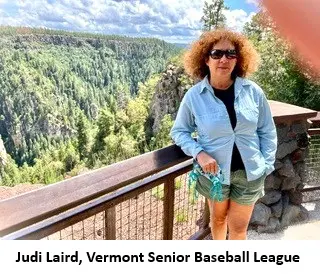
2025 MSBL/MABL Profile: Judi Laird, Vermont Senior Baseball League
 By Steve LaMontia-Carlentini, MSBL Director of Communications
Judi Laird is every league president’s MVP dream. 2025 is her 17th year as the league treasurer, and she runs a tight ship, thus allowing the other officers the time needed to keep the Vermont Senior Baseball League the top-notch organization that it is.
From President Sal Spinosa: Â “I always feel that she has our backs no matter the issue. Â She is the silent partner who holds much of our league together.”
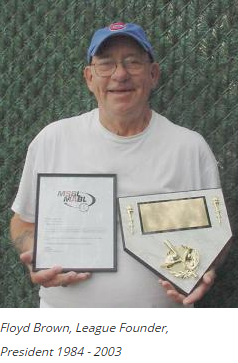
 “Judi Laird is the second-longest tenured league officer our league has ever had, behind only league founder Floyd Brown,” said league secretary Reid Crosby. “But she is quickly closing in! She keeps everything running smoothly for the rest of us and continues to do so even though she no longer has a team that she is immediately affiliated with. With her keeping track of our finances, it allows the rest of us to focus on baseball.”
We caught up with Judi in between her work in Vermont for the league and her hiatus in the Dominican Republic during the colder winter months, which is hardly a vacation and extremely beneficial to many people. Let’s let her explain.
“I purchased a condo in the Dominican Republic, partly because of the huge baseball presence and the diversity of mountains, trails, and beautiful landscape. But I also wanted to be closer to baseball, which is huge down there year-round.
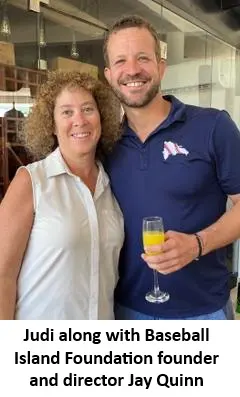
I am associated with the Baseball Island Foundation, which is an institution concentrating on helping the younger ballplayers learn about the important aspects of life, along with honing their baseball skills.”
How does that differ from the other MLB academies down there?
“Most baseball academies hold education secondary, but ours is different. There are so many kids who don’t make it to pro ball and still don’t have any education. They have always held on to the dream of the big leagues, but very few actually achieve their dreams, which you all certainly know.
This is very much a baseball academy, but they have to further their education to be included. We want them to be able to get college scholarships to further their education, while also playing baseball. I try to help run the financial aspect of the organization.
Every weekend, there is baseball while I’m there, usually from December through March. They play maybe at the level of ‘A’ ball. I just try to find a way to give back to the people down there.”

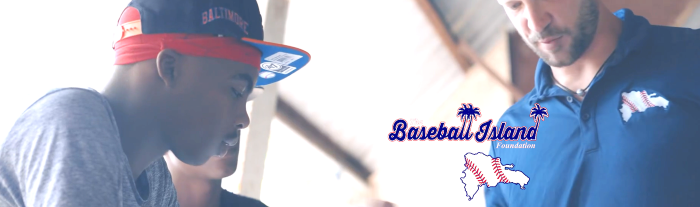
This seems like a good time to interject that Judi has quite a pedigree in bean counting. She is the director of the Vermont Mathematics Initiative.
“VMI is a non-profit organization striving to improve mathematics teaching and learning across the state. Teachers can come and get their master’s degrees, for example. We assist schools with their programs. We have been in existence for 25 years now.
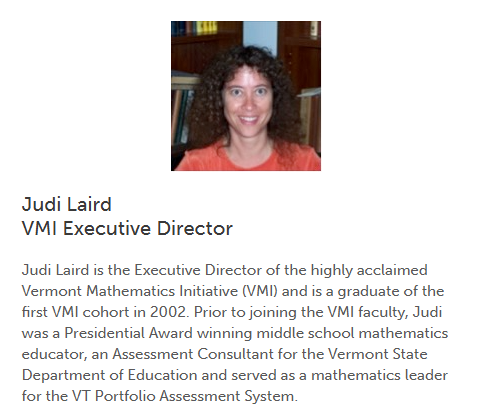
I used to be an instructor in the classroom, but moved into administration around 2001. I miss teaching, though.”
Let’s backtrack a little and find out how you became involved in the Vermont Senior Baseball league.
“I’m a math nerd who also loves baseball. As a kid, my father loved baseball and believed every human being had to love baseball. You had to learn to keep score.
There were many experiences with my father keeping score in the 70s while we would play a baseball dice game outside. But I always harbored my love for mathematics, which is the perfect fit for baseball.
I never liked softball and wanted to play baseball, but in those days, girls couldn’t play ball. I eventually became a math teacher for about 15 years.”
Judi and her partner, Dave, live rurally in Vermont and noticed that players had to travel at least a couple of hours each way to play adult baseball. In 2008, Dave wanted to try to start a more localized league, which has since become the Vermont league.
She started helping organize the team and was the scorekeeper for them, along with helping out with all things statistically complicated! Â There was also some level of getting people to step up and help the league, which can be very challenging.
“We would often struggle to find people to help. Dave volunteered me for the treasurer role, which is still in place today.
My official title is still league treasurer, but I have to do a little bit of everything, and I am happy to do so. I have witnessed a nice ‘coming together’ of the league with a nice system in place with all of the rules, become more professional over the years. I feel happy to have been part of that.” 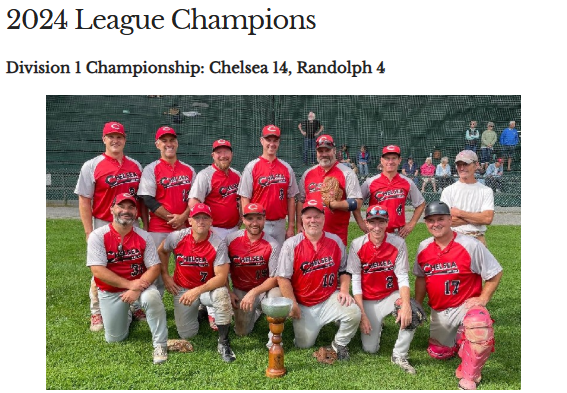
Are you still playing in the league?
“I don’t play anymore. They needed me more early on, but every team has come along nicely, and they don’t have to pull people in.  Also, the caliber has improved, so there aren’t as many shortages for my talents!”
The Vermont league consists of ten teams now, and they had around the same number back in 2008.
“The league had grown to about 15 teams a couple of years ago, but a lot of the teams didn’t have the level of commitment and couldn’t pull enough players consistently.”
In such a remote area, where do the ten teams come from?
“Burlington is around 60,000 people, and maybe half the teams are from around that area. The other half are much more rurally oriented. Northeast Kingdom had ballplayers driving up from Southern New Hampshire, and driving maybe two hours. That results in an amazingly committed team.
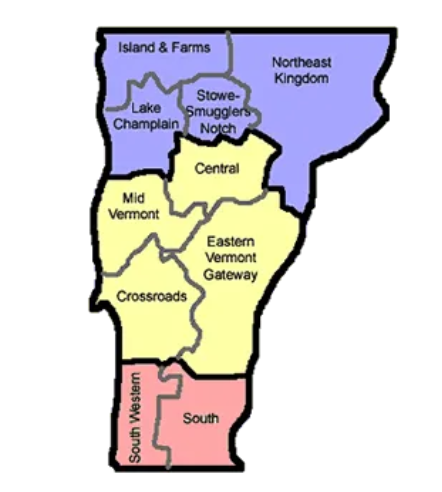
The commitment is wonderful because they have to drive and commit to an entire Sunday. But you can’t have a draft, so there is a lot of trust. It is a huge commitment to travel, so we know they are serious. It has worked out well.”
What do you see in the future for the league?
“I don’t see us ever getting much bigger, simply because of the rural state challenges as discussed. If we could figure out how to market the league, maybe we could grow. But it’s not a marketing problem as much as a rural challenge.
Since Covid, I am noticing a stronger value in people’s work/life balance.  Sundays have become more precious, and players are less apt to give up the entire day to playing ball. We are continually trying to figure out how best to market our league.”
What is the favorite aspect of your league, and what is your most satisfying part of your position?
“That’s easy. The family aspect. I love seeing little things, like family, every week, on and off the field. We exemplify what a league should be. We can all find support in one another.
Several years ago, we had a player who was a furnace repairman in the league, and someone attacked him over the head with a wrench. It was a horrible thing.
He lived, but he is paralyzed and in terrible shape. But what I saw was amazing. The support wrapped around this man was tremendous. Raffles, raising money for his family throughout the league; our league is fantastic. It is the family environment that is so special here in Vermont.
Regarding what is most satisfying about my work, it is allowing our managers and players to just go play ball and not worry about any technicalities. We have your back. Just go play ball. I feel good about them showing up Sunday to just go do that.”